“Where do you get your protein?”
I would be a millionaire if I charged a dollar for everytime I’ve been asked that question once someone finds out I’m vegan. I always like to answer that question with another question, where do animals get their protein? PLANTS! There are many sources of vegan protein, but I’ll be sharing the ones I eat on a day to day basis.
Tofu:
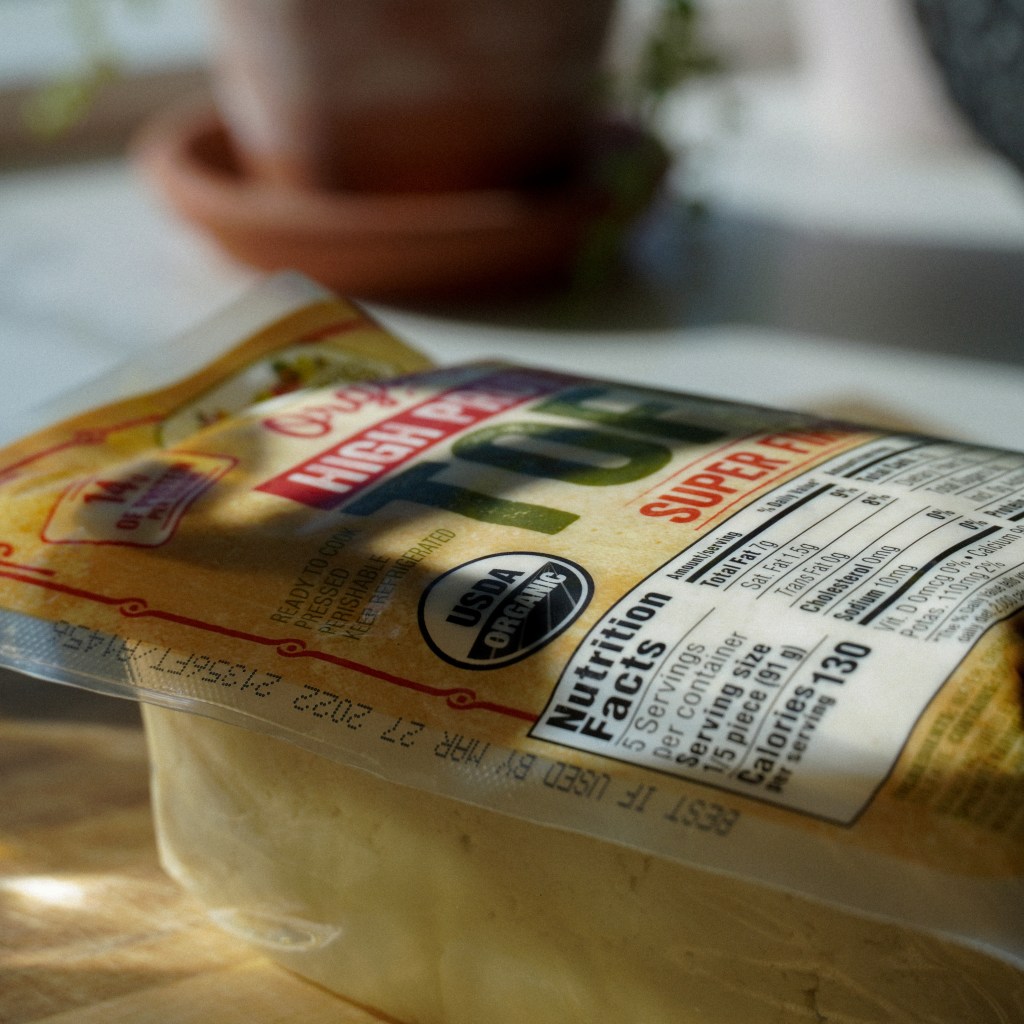
Tofu is a complete protein containing all 9 essential amino acids. Tofu is a great source of healthy fats and a variety of micronutrients. There are different types of tofu categorized by firmness and water content. The firmer tofu contains less water meaning more calories and nutrients. Silken & soft tofu contain more water meaning fewer calories and nutrients. The CDC says soy protein-containing foods, like tofu, textured vegetable protein and edamame.. just to name a few, do not significantly increase estrogen levels in either men or women. Soy may have mild, beneficial anti-estrogenic or estrogenic effects, depending on your time of life. If you are interested in reading more, I’ve attached the article below.
Click to access Isoflavones.pdf
Tempeh:

Tempeh is made from fermented soybeans making it a complete protein containing all 9 essential amino acids. Unlike tofu, tempeh is a whole soybean product containing different nutritional and textural qualities. The fermentation process and retention of the whole soybean gives tempeh a higher content of protein, dietary fiber and many other micronutrients. It has a firm texture and an earthy flavor.
Vital Wheat Gluten Flour:
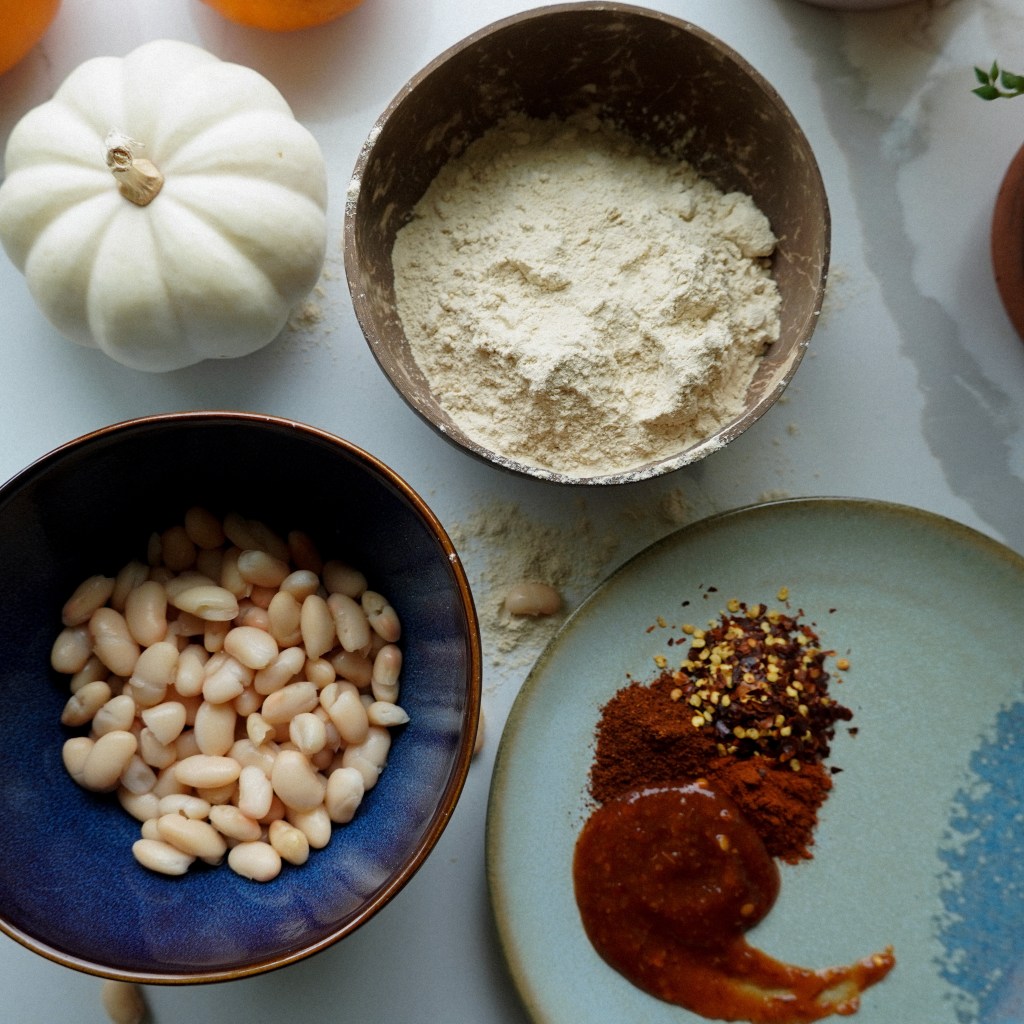
Vital Wheat Gluten also known as Seitan is a popular vegan meat substitute made from wheat gluten and water. To make seitan you must knead wheat flour with water, developing sticky strands of gluten protein and then rinsing away the starch. Seitan is high in protein and other various micronutrients while low in carbs and fats. Seitan is not considered a complete protein, it does not contain enough lysine to meet your body’s needs. Lysine is a building block for protein, an essential amino acid that your body can’t produce. It’s important to consume other products enriched in lysine, such as legumes, for optimal muscle protein synthesis.
TVP:

Textured Vegetable Protein (TVP) is made from soybeans and contains all 9 essential amino acids making it a complete protein. TVP is a great source of dietary fiber and contains little to no fat which makes it an excellent alternative to meat products. TVP is naturally gluten free and contains many important micronutrients.
Vegan Protein Powder:
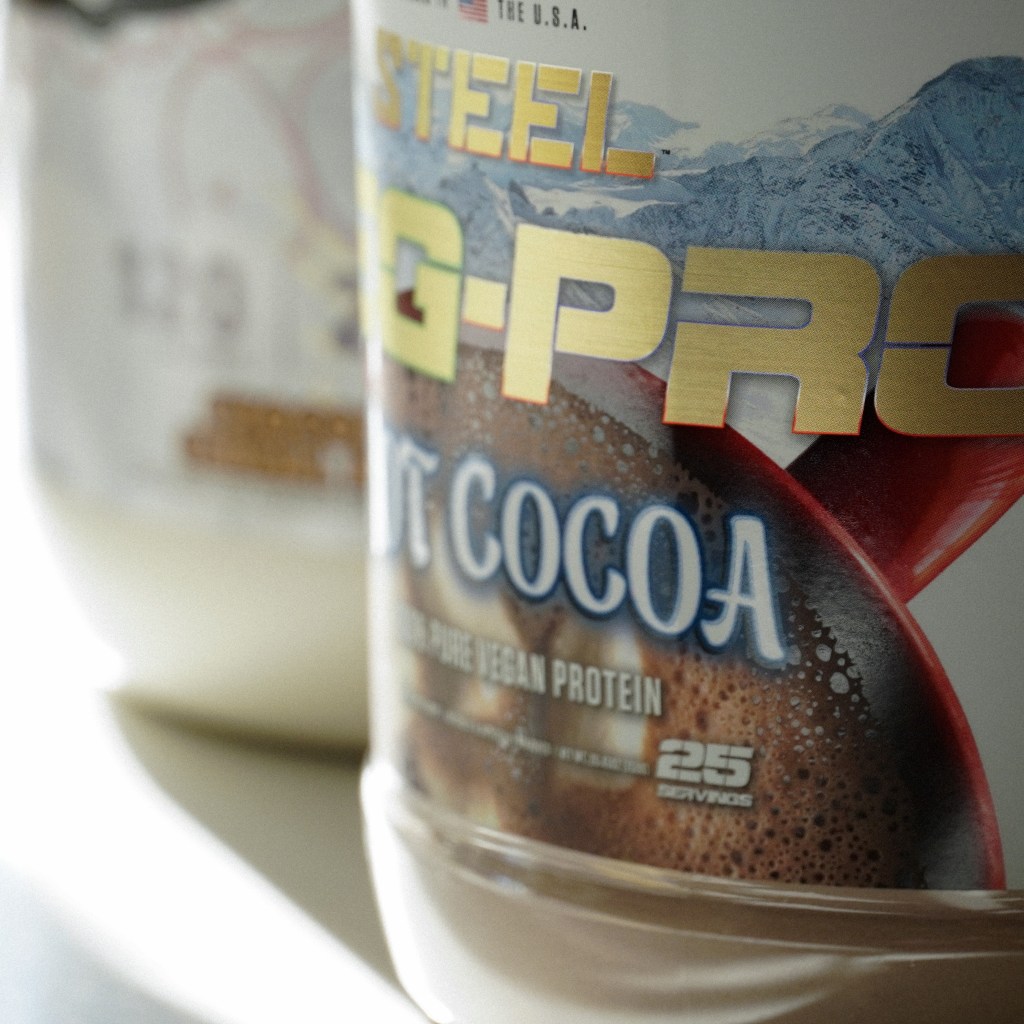
There are many sources of vegan protein, but to give you an idea I’ll list some now.. pea, pumpkin seed, hemp, quinoa, whole grains, soy, seitan, TVP, chia seeds, flax seeds.. I think you get the idea! Not all vegan proteins are complete proteins. Soy is one of the few plant-based proteins that contain all 9 essential amino acids, vegan protein powders contain complementary protein blends to create a complete protein. You can recieve all 9 essential amino acids by having a well balanced vegan diet.
There are many MANY more sources of vegan protein, these are just some of my favorites!
 Messy Muse Studio by Jessi
Leave a comment